The Dodger Doctrine: The Youth Movement

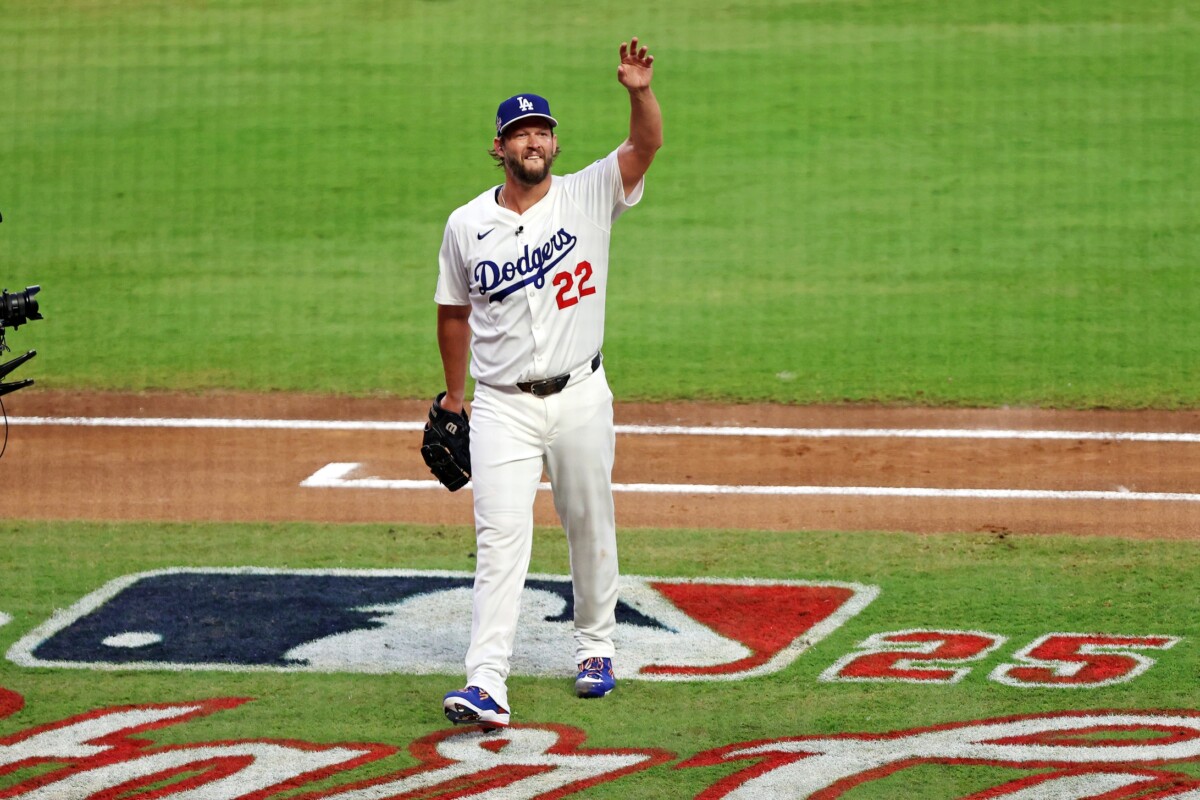
Los Angeles Dodgers Clayton Kershaw waves in Joc Pederson during game against the San Diego Padres Monday, April 4, 2016 at Petco Park in San Diego,California. The Dodgers beat the Padres 15-0






Much like The Monroe Doctrine of the early 1800’s, The Dodger Doctrine seeks to dominate the landscape for the betterment of the club. For a history refresher and comparison sake, let us take look at what History.com says about The Monroe Doctrine, the time period and the doctrine itself, and how it relates to the Dodgers Youth Movement, which we are officially naming The Dodger Doctrine.
The best description we found goes as follows:
“On December 2, 1823, President James Monroe used his annual message to Congress for a bold assertion: ‘The American continents … are henceforth not to be considered as subjects for future colonization by any European powers.’”
Similarly, the Dodgers want to control their Manifest Destiny through its farm system of talent.
[button color=”red” size=”big” alignment=”center” rel=”follow” openin=”newwindow” url=”/dodgers-first-quarter-report-card/2016/05/27/”]Dodgers First Quarter Report Card[/button]
In case you were sleeping on the Los Angeles Dodgers, the Dodgers youth movement has already begun. We are witness to an exciting time in the game of baseball and specifically for the Dodgers club. The Dodgers age-old playbook of developing young and less expensive talent invented by former general manager Branch Rickey is in its second stage as outlined by Dodgers President and CEO Stan Kasten.
Kasten explained the vision when hired by Dodgers Owner Mark Walter with Guggenheim Baseball Management. We wrote about that and Andrew Friedman, Dodgers President of Baseball Operations. He is a brief synopsis of that analysis:
“Walter is not much different from Dodgers legend and Hall of Fame inductee Branch Rickey in one very important sense–bringing together a lot of talent. If Branch Rickey started the farm system of player talent, then the modern day experiment is front office farm systems of executive talent.
Check out some additional great reads on the subject here, here, and here. Here is a list of all current General Managers, with bios, which is interesting.”
AdvertisementAdDrivers in California save $480/yr.Get a quote in 3 minutes.Vantage Auto InsuranceCompare rates
Back in December 2015, Kasten was interviewed by ESPN Staff Writer Mark Saxon. Saxon began the interview by asking “It has been a quiet offseason thus far for the Dodgers. Can you explain the lack of activity?” Here is how Kasten responded:
“Fans look at the short-term snapshot and maybe don’t have enough time to reflect on what we have been spending a lot of our time and energy and money building here in L.A. We all know the next wave of players is very close to getting to the majors this coming year. Behind them, we think two to three years from now we have a very, very deep roster of other prospects highlighted by the investments we’ve made internationally. There are two movements on the way and that’s what we said we were trying to do from the day we arrived.”
Kasten’s response is telling in that the Dodgers have a plan and we are seeing that plan play out before our very eyes. It is The Dodger Doctrine.
[button color=”red” size=”big” alignment=”center” rel=”follow” openin=”newwindow” url=”/urias-has-some-things-to-work-on-but-a-lot-to-feel-good-about/2016/05/27/”]Urias Has Some Things to Work on, But a Lot to Feel Good About[/button]
What is The Dodger Doctrine?
For one, it is about smart money.
“They [the Dodgers] want to get the most wins for the best price. This does not mean the Dodgers will be cheap, but it does mean they will be smart . . . [The Dodgers Ownership became successful in business] by making smart decisions and hiring smart people to help make those decisions. Those facts and lessons of life do not go out the window because he [Dodgers Owner Mark Walter now] owns a baseball team.”
Second, the Dodgers will continue to sign and develop talent that is young, trainable, and less expensive than free-agent talent, which makes their moves more valuable in the short and long term.
“The Dodgers have options [and have showed] restraint, [which] is admirable and good for the Organization’s future. It is also why Walter hired Friedman, a former Bear Stearns Wall Street and private equity executive. He knows how to find value and retain it.”
Third, it is about retaining and acquiring talent (e.g., roster and farm system depth).
“Since Andrew Friedman was hired as the President of Baseball Operations, his most common phrase has been to say that “this move augments our depth.” Friedman, since his days in Tampa Bay, has done at least one thing consistently well: build division winners and playoff teams through depth, one through twenty-five, and twenty-six through forty. The 2016 version of the Dodgers is no different and actually has more depth, while shaving $70 million dollars from the 2015 payroll . . .
With the above being said, we have not mentioned that the Dodgers have the top ranked Farm System in Major League Baseball according to Baseball America. Pretty impressive considering the Dodgers Organization had neglected and some would say abandoned their domestic and overseas scouting and player development under former owner Frank McCourt.”
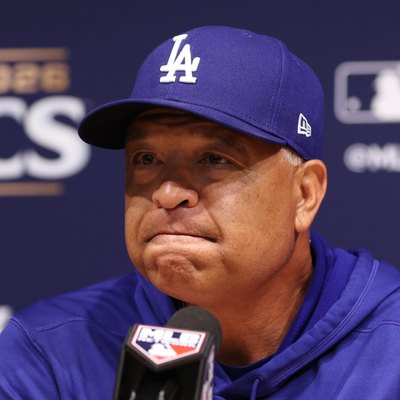
Fourth, diversity is good: recognize it, accept it, and work with it. For example, the Los Angeles Dodgers current forty-man roster has eleven (11) different countries represented. Dodger personnel include the likes of Farhan Zaidi, a Canadian-American of Pakistani descent, and Dave Roberts an African-Asian-American manager with varying talents and experiences on Wall Street and the base paths in playoff games. Talent can come from anywhere, as we wrote about previously:
“Throughout their history, the Dodgers Organization has changed culture through their choice of players, managers, and front office personnel. Starting with former General Manager Branch Rickey and Owner Walter O’Malley, more than any other professional sports franchise, the Dodgers have the led the way in cultural diversity and player development. The Dodgers realized early on that accepting cultures and individual people and players was the best way to success in terms of community progress, on-the-field performance, and financial growth of the franchise.
O’Malley and Rickey were smart businessmen as well as culturally aware of the times when Jackie Robinson made his way through the farm system and eventually onto the roster. They knew Robinson could perform and effect change. They also knew he would fill the stands with new fans.”
Diversity opens up the talent pool and increases your odds for success. The Dodgers have bought into this wholeheartedly for a long time.
[button color=”red” size=”big” alignment=”center” rel=”follow” openin=”newwindow” url=”/is-it-time-for-the-dodgers-to-move-on-from-chris-hatcher-possible-solutions/2016/05/24/”]Is It Time for the Dodgers to Move on From Chris Hatcher? [/button]
When we look at the Dodgers 2011 roster compared to 2016, we also notice two very important changes. (Note: 2011 is a significant year because it the last season of former owner Frank McCourt and the old guard; it was before the Stan Kasten, Mark Walter, and Andrew Friedman era, which began in 2012 (Friedman was hired in 2014)).
First, the roster is younger, becoming less costly, and more controllable in terms of years.
Second, it is becoming more and more developed from within through the farm system, trades (e.g., Trayce Thompson), or in signing international talent. For example, in 2011, the Dodgers had two players (Clayton Kershaw and Kenley Jansen) on the twenty-five man roster at or under the age of twenty-five (25) who played the entire season at the big league level. In 2016, the list is well over ten (10) players and growing. Not a math major, but that is an eight-hundred percent increase in seeing younger talent on the Dodgers roster in less than four year’s time.
Ladies and gentlemen, the Dodgers Youth Movement Has Already Begun and has been the case for some time. Corey Seager, Trayce Thompson, Joc Pederson, Alex Wood, and Julio Urias for 2.2 innings before being sent back to Triple A for development, is just the beginning. It also helps that Seager, Thompson, and Pederson are leading the team or near the top in home runs and runs batted in as of Sunday this week. Sit back and enjoy the show.
Latest on Dodgers Nation:
[button color=”red” size=”big” alignment=”center” rel=”follow” openin=”newwindow” url=”https://www.youtube.com/channel/UC5JV2g0vhv9_s2tHZtucYlQ”]SUBSCRIBE to DodgersNationTV[/button]