Dodgers World Series: Analytics Are The Latest Scapegoat

On this page
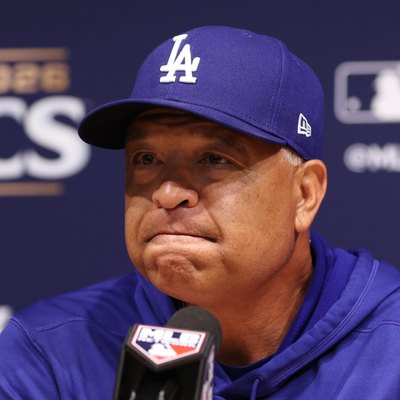




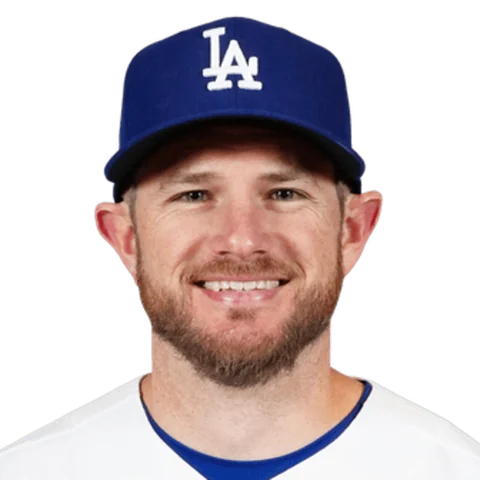

With the first two games of the World Series complete, many fans are blaming the Dodger losses on using analytics. A summary of things I’ve heard:
- Dave Roberts pitched Alex Wood/Ryan Madson because of analytics
- Those nerds make Dave Roberts use analytics too much
- Analytics should not be part of baseball
- Play the hot hand no matter what the analytics say
- Analytics take away our best hitters
- Managers should go with their gut
I really like the tweet below:
I wonder how the takes would be if we called analytics by a simpler/less nerdy name. Like if we just called them data, or even simpler and just said information.
Would we get takes like: "The Dodgers rely too much on information!"
— Blake (@ByBlakeWilliams) October 25, 2018
AdvertisementAdFresh roasted, shipped weekly.Your first bag is half off.Harbor & Pine CoffeeOrder nowAdvertisementAdFresh roasted, shipped weekly.Your first bag is half off.Harbor & Pine CoffeeOrder now
The use of information has been part of baseball forever. With the huge advances in technology, there is a lot more information available. Every team either has or is building huge data analysis teams. There are cameras all over the ballparks that help record just about everything that happens on the field.
Given the availability of all the information, the game has changed. Some say it is for the better. The explosion of home runs and pitchers throwing at higher velocities ever, are things people like. There are some who lament the explosion in strikeouts, defensive shifts and emphasis on the bullpen. Personally, I fall in the middle. The things that some people don’t like are driven by certain analytics.
Teams shift because there is a lot of information where hitters hit the ball. I think the shifts are ugly but if it helps the team win, it seems shifting is correct. More strikeouts happen due to batters seeing more pitchers per game and the pitchers throw really hard. More hitters are focused on getting the ball in the air and not taking two-strike approaches. It looks like they are trying to hit the ball out of the park, even on 0-2 pitches.
We are going to walk through some of the complaints about analytics and see if they truly are to blame for the Dodgers losing the first two games in the 2018 World Series.
Bad Lineups
There have been a lot of complaints about the lineups and I’ve been one of them. However, this information quieted me down a bit:
The #Dodgers spent the majority of the season struggling against lefties but caught fire in mid-August. Since then, they've been among the best in the league vs LHP
Dodgers vs LHP (season)
Before 8/17 = .225 AVG (14th in NL)
Since 8/17 = .277 AVG (2nd in NL)— Rick Krajewski (@Rick_K21) October 4, 2018
The Dodgers ended on a 25-10 run to get into the playoffs. What the Dodgers started doing was some heavy platooning 1B, 2B, and all outfield positions. Basically, many players were not producing against pitchers that threw with the same side hand. Once the changes were made you can see the overall numbers against left-handers changed and guys like Chris Taylor started to hit better. The addition of David Freese, a right-handed hitter who cost both Max Muncy and Cody Bellinger some at-bats, was a huge addition.
Max Muncy
Where analytics didn’t seem to matter was how Max Muncy sat against left-handers.
Dodgers OPS vs. left-handed pitching in 2018 …
Turner, 1.028
Machado, .990
Muncy, .891
Kemp, .828
Hernandez, .780
Taylor, .754Yet Max Muncy — who tied for fifth in the NL with 35 home runs — didn't start Games 1 or 2 vs. lefties in the World Series.
— Ryan Fagan (@ryanfagan) October 25, 2018
Given Muncy’s numbers, I’d say it’s analytically questionable to sit him against lefties. Now, the above data is for the whole season. For the World Series is the whole season what we want to base a lineup? I’d want to know the numbers of the last few games including how often they are reaching base, what pitches they are swinging at, how hard the ball is being hit and how many are line drives. So, if Muncy has been having some bad at-bats then maybe there is a reason for him to sit. Muncy excels when he has good plate discipline so those numbers should be factored in also.
For game 1 the Red Sox started Chris Sale. If you’ve looked at the angles that Sale pitches at there is no way I’d start a left-handed batter against him unless there was proven success against him. That is more data that is needed. For all these scenarios it is not about whether analytics is good or bad but how one applies the information. Even if a player has a good couple of games it is still information being used to decide whether they should play or not. What if the pitcher the next day is one that dominates the hitter? If it is a World Series game, it might be a different answer.
Kiké Hernandez
In forming the lineups for both game 1 and 2 (they were the same) Kiké Hernandez was in there even though he has been awful at the plate. He is striking out a lot, is taking an all or nothing approach and isn’t putting the ball in play very well. Doc said that Kiké was in the lineup because “With Kiké, he’s a guy that has come through in a lot of big moments for us” (from the OC Register). That doesn’t sound like analytics to me but it sounds like Doc is “going with his gut”. The analytics say that he’s been terrible at the plate since the playoffs started. Maybe there are defensive reasons to have him in the lineup. Not all the lineup calls are based on just analytical data.
Personally, seeing Kiké struggle so much is such a bummer. He’d just earned full-time status by the end of the season. He will recover but it doesn’t look like it will happen soon.
Pitching Changes
Alex Wood

There have been two highly criticized pitching changes in the first two games. For more details about the why’s and why not’s go to this article from Brian Robitaille. Again, the changes have been criticized as being analytically driven. When Alex Wood was brought in for Pedro Baez to pitch to Rafael Devers, the Red Sox pinch-hit with Edwin Nuñez. Nuñez hit the first pitch from Wood for a three-run home run.
What I’ve seen is that left-handed batters were 0 for 31 against Baez over the last two months or so and that Wood has given up two (now three) first batter home runs in the playoffs. The information available to me says to keep Baez in. He’s been excellent for almost three months and Wood has been inconsistent at best. Doc instead said he “liked” Wood against Nuñez so he must have either been going with his “gut” or was using other information. It all depended on the analytics one chooses to use. Give me the pitcher who has been excellent instead of the pitcher who’s been mediocre. Information helps to figure out what weaknesses a batter could have or if a pitcher has been missing their spots.
Ryan Madson
When Ryan Madson was brought in to face Steve Pearce with the bases loaded in the 5th inning with two outs in game 2, I was surprised it was Madson. Just the day before he’d complained about being able to get loose. Doc chose to go with him because he’s been mostly very good for the last month. I had thought that his game one issues would have made him a lower option with pitchers like Kenta Maeda and Pedro Baez available.
In the most important situation, it seemed Doc went with his “gut” that the game one experience was not a factor. Madson ended up walking Pearce on 5 pitches that were mostly way up and in. Madson spoke post-game about mechanical issues. Again, what information does one choose to use?
Player Feelings
Some talk about how the players must feel when they have a good game and then sit the next day. Dealing with the psychs of 25 different men is a tough job and it seems Dave Roberts is a master at it. It is a legitimate question and I expect every player wants to be in the lineup. Given how long the hardcore platoons have been in place (basically since mid-August) it seems the players understand what is up. The team production has been better and they have advanced to the World Series.
Playing The Hot Hand
Since this is the World Series and the Dodgers are down by 2 games, “THERE IS NO TOMORROW”. Again, I want the numbers of the last few games including how often they are reaching base, what pitches they are swinging at, how hard the ball is being hit and how many are line drives. I really don’t care what a player did last month if they are an automatic out the last few games. I want the players out there that are the best right now with some exceptions. If there is a starting pitcher that a player has done really well against, and they are not in a massive slump then go with them. It’s looking at all the information and figuring out which ones matter right now. These are not games in May.
Conclusions
Dave Roberts clearly welcomes the influx of information that is available to him. It is also clear to me, based on the discussion above, is that he also goes with his instincts and trusts players, even when they haven’t been doing well. That trust has been rewarded many times and I hope it is rewarded, starting in game 3. I also hope that some of the choices work out better and that the players reward Doc with a better performance. In game 2 the Dodgers had 3 hits. It was a game that they should have one but they didn’t take care of business on offense. Alex Cora said that he was one batter away from pulling David Price in the 4th inning. He was on the ropes and the Dodgers offense let him off.
At the end of the da,y all managers make calls that are easy to disagree with. It almost seems Twitter was invented to allow us to talk about the manager’s decisions. However, the Dodgers have the deepest roster in baseball and need to perform up to their capabilities. So far, they aren’t even close. The talent is there to win the World Series but the performance must match the talent to win.
[button color=”red” size=”big” alignment=”center” rel=”follow” openin=”samewindow” url=”/the-dodgers-are-in-good-hands-with-walker-buehler-bs0193/2018/10/25/”]The Dodgers Are in Good Hands With Walker Buehler[/button]